

Planning to drive in Pakistan or use your Pakistani licence abroad? Understanding the documentation requirements can prevent significant complications at car rental counters, police checkpoints, and border crossings. This guide explains what foreign visitors need to know about driving documentation involving Pakistan, the difference between official permits and certified translations, and how to prepare properly for international driving.
Whether you hold a Pakistani licence and plan to drive overseas, or you're a foreign national considering driving in Pakistan, the rules vary significantly depending on your destination, the rental company's policies, and local enforcement practices. Getting this right before you travel saves time, money, and potential legal headaches.
Understanding Pakistan's Driving Documentation Requirements
Pakistan issues domestic driving licences through provincial authorities, with each province maintaining its own licensing system. For Pakistani licence holders wanting to drive abroad, the country's Automobile Association (Touring Club) can issue International Driving Permits (IDPs) that comply with the 1949 Geneva Convention on Road Traffic.

It's essential to understand that an official IDP is a government-authorised document issued under international conventions. This differs fundamentally from a certified translation of your licence, which serves as a language-accessibility document rather than an official permit. For comprehensive information about international driving documentation for Pakistan, travellers should research both options based on their specific needs.
Foreign visitors driving in Pakistan face a complex regulatory environment. Pakistan technically requires visitors staying longer than a temporary tourist period to obtain local authorisation. Short-term visitors often drive using their home licence alongside an IDP, though enforcement varies considerably by region and situation. Major cities like Karachi, Lahore, and Islamabad see more consistent documentation checks than rural areas.
The practical reality is that documentation requirements in Pakistan can be inconsistently applied. Police checkpoints are common throughout the country, and presenting documentation in a language officers can read significantly smooths these interactions. This is where having your licence professionally translated into Urdu or English proves valuable, regardless of whether you also carry an official IDP.
Official International Driving Permits vs. Certified Translations
Confusion between IDPs and licence translations causes problems for travellers worldwide. These serve different purposes and carry different legal weight, so understanding the distinction matters.

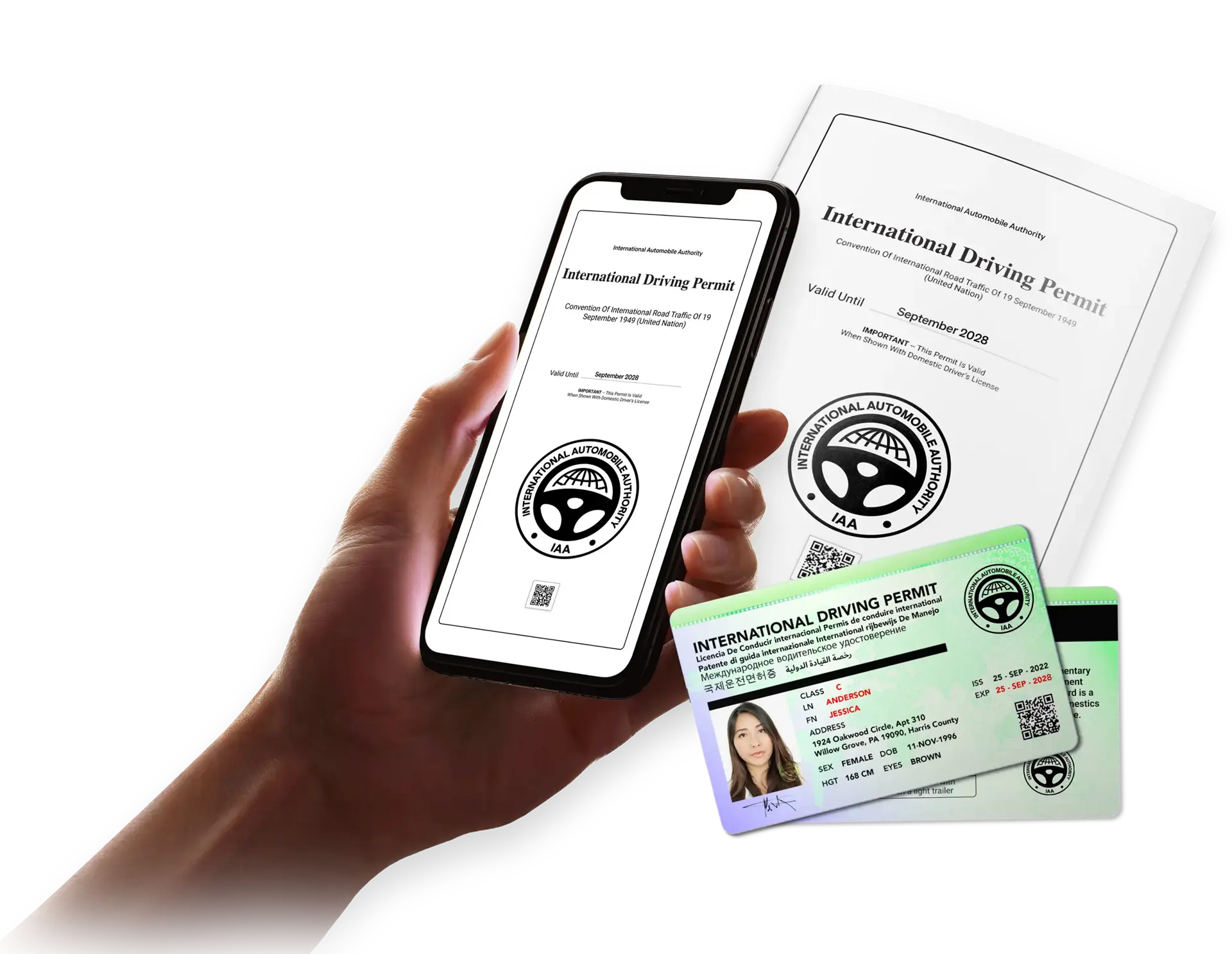
Official International Driving Permits are standardised documents issued under the 1949 Geneva Convention or 1968 Vienna Convention on Road Traffic. Only authorised bodies in each country can issue these permits, which translate your licence information into multiple languages in a recognised format. IDPs must accompany your original licence and typically remain valid for one year.
Certified licence translations provide an accurate, professionally translated version of your driving licence. These documents help rental companies, authorities, and others understand your licence details when they cannot read the original language. A translation does not replace any legally required IDP, your original licence, or rental company approval. To learn more about how certified translation services work, it's worth understanding their specific purpose and limitations.
Many countries accept certified translations as supplementary documentation, particularly when your licence uses non-Latin characters like Arabic, Urdu, Chinese, or Cyrillic scripts. Pakistani licences typically include both Urdu and English text, but the English portions may not cover all relevant information, and the document format differs significantly from what foreign officials expect.
The key point: a certified translation enhances accessibility but doesn't confer legal driving rights on its own. Always verify what your destination country legally requires, what your rental company accepts, and whether your specific situation demands an official IDP, a translation, or both.
Rental Company Policies and Practical Considerations
Major international rental companies maintain their own documentation standards that often exceed minimum legal requirements. Companies like Hertz, Avis, Europcar, and Sixt set policies based on operational experience, insurance requirements, and risk management rather than simply following local law.

These policies change regularly and vary by location, even within the same company. A Hertz location in Dubai may have different requirements than one in Frankfurt or Sydney. The only reliable way to confirm current requirements is checking directly with your specific rental location before travelling.
Common rental company requirements include:
- Original valid driving licence from your home country
- International Driving Permit for licences not in Latin script
- Certified translation as an alternative or supplement to an IDP
- Minimum age requirements (often 21-25 years)
- Minimum licence-holding period (commonly 1-2 years)
- Credit card in the driver's name
Pakistani licence holders renting abroad should contact their chosen company well in advance. Some rental locations may not accept Pakistani licences regardless of accompanying documentation, while others readily accept them with proper translation support. Never assume acceptance based on past experience elsewhere or general country rules.
For travellers from neighbouring countries like India or Bangladesh, similar documentation challenges apply. Those researching driving documentation requirements for India or international driving permits for Bangladesh will find comparable considerations regarding translations and official permits.
Regional Variations and Destination-Specific Requirements
Different regions take markedly different approaches to foreign driving documentation. Understanding these variations helps you prepare appropriately.
Gulf Cooperation Council Countries: The UAE, Saudi Arabia, Qatar, Oman, Bahrain, and Kuwait have specific agreements with certain countries regarding licence recognition. Pakistani licences may be accepted in some contexts, but requirements vary by emirate, rental company, and visa status. Many GCC countries require an IDP or translation for short-term visitors while long-term residents must obtain local licences.
European Union: EU countries generally require non-EU licence holders to carry an IDP for licences not issued in Latin script. However, certified translations may satisfy some rental companies even where not legally required. Each EU member state can set additional requirements, so checking your specific destination is essential.
United Kingdom: The UK accepts foreign licences for up to 12 months, but documentation requirements for non-English licences apply. Post-Brexit rules differ from EU regulations, so verify current requirements with UK authorities.
North America: The United States and Canada allow foreign visitors to drive with their home licence for limited periods, though requirements vary by state and province. Rental companies often require an IDP or translation for non-English licences as a practical matter.
Australia and New Zealand: Both countries permit driving on foreign licences for temporary visitors, with specific translation requirements for non-English documents. Official government translation services exist, but certified translations from recognised providers may also be accepted.
Rules change as countries update their traffic laws and international agreements. Always verify current requirements through official government sources and your rental company before travelling.
Preparing Your Documentation for International Driving
Proper preparation prevents most documentation problems. Follow this practical approach to ensure you're ready:
Step 1: Research Your Destination
Check the official government website of your destination country for foreign driving requirements. Look for information from transport ministries, tourism authorities, or embassy websites. Note any specific requirements for Pakistani licence holders.
Step 2: Contact Your Rental Company
Email or call your specific rental location to confirm what documentation they require and accept. Get this in writing if possible. Ask specifically about Pakistani licences and what supplementary documents they need.
Step 3: Gather Required Documents
Based on your research, obtain any required IDPs through proper official channels in Pakistan. Arrange certified translations of your licence well before your departure date. Ensure your original licence remains valid throughout your trip.
Step 4: Carry Everything
Bring your original licence, any official IDP, certified translations, and copies of relevant rental confirmations. Having comprehensive documentation addresses various scenarios you might encounter.
Remember that carrying proper documentation doesn't guarantee acceptance in every situation. Local officials, police officers, and rental staff may interpret requirements differently. Patience, politeness, and having documentation in a language they understand generally produces the best outcomes.
Frequently Asked Questions
Can I drive in Pakistan with a foreign licence?
Visitors to Pakistan may drive using their foreign licence for short tourist stays, though regulations vary and enforcement is inconsistent. Longer stays typically require local licensing arrangements. Carrying an IDP and certified translation of your licence improves interactions with authorities. Always verify current requirements with Pakistani authorities before your trip, as rules may have changed.
Is a certified translation the same as an International Driving Permit?
No. An International Driving Permit is an official document issued under international conventions by authorised government bodies. A certified translation is a professional language translation of your licence that helps foreign officials and rental companies understand your document. Both serve different purposes, and many travellers benefit from carrying both depending on their destination's requirements.
Will all rental companies accept a Pakistani licence with a translation?
Acceptance is never guaranteed. Each rental company and location sets its own policies based on insurance requirements, operational experience, and local regulations. Contact your specific rental location directly before travelling to confirm their current requirements. Policies change regularly, and what worked previously may not apply to your upcoming trip.
How long does a certified licence translation remain valid?
A certified translation remains valid as long as your underlying licence remains valid and unchanged. If you renew your licence, receive a new licence number, or your licence details change, you should obtain a new translation reflecting the current document. Some rental companies or authorities may also have their own validity expectations.
Do I need both an IDP and a translation?
This depends entirely on your destination and rental company. Some situations legally require an official IDP, while others accept certified translations. In some cases, having both provides the most comprehensive coverage. Research your specific destination's requirements and confirm with your rental provider what they accept and what they recommend.
Prepare Your Documentation Today
International driving requires proper documentation, and preparation time matters. Whether you're a Pakistani licence holder planning to drive abroad or researching requirements for travel involving Pakistan, having the right documents ready prevents problems.
Get your certified driver's licence translation — accepted in 180+ countries, delivered digitally. While acceptance ultimately depends on local laws and individual rental company terms, a professional translation ensures your licence information is accessible wherever you travel. Verify specific requirements with official authorities and your rental provider, then travel with confidence knowing your documentation is in order.